
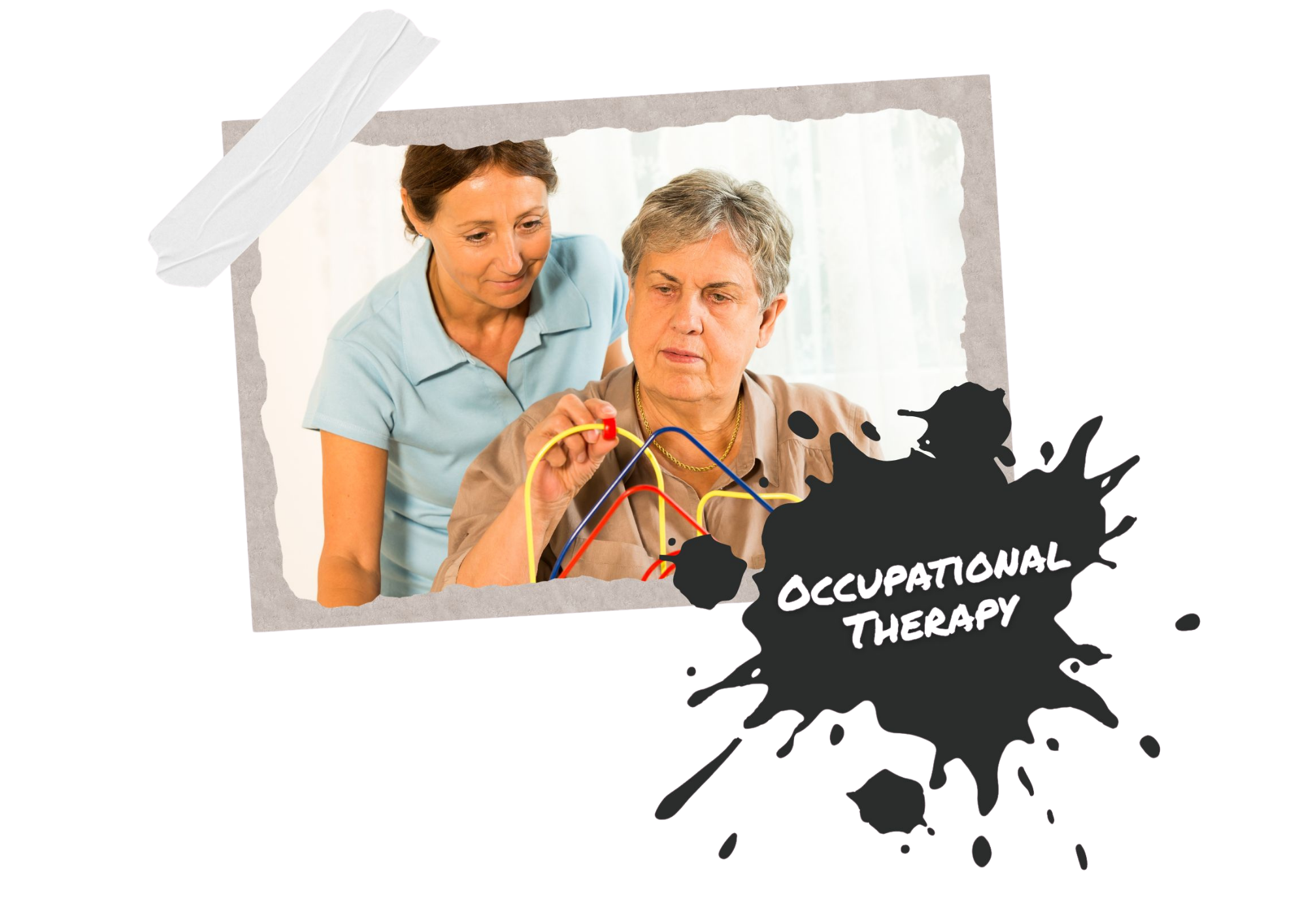
Occupational Therapy
Occupational Therapy
Building skills for life.
Occupational Therapy (OT) helps individuals develop skills needed to participate in meaningful daily activities.
Occupational Therapists address areas of fine motor skills, gross motor skills, sensory processing, self-care, school skills and social/play skills to help each learner reach their highest level of independence.
Skills Built in Occupational Therapy
Executive Functioning
Assists in building skills and strategies to improve mental functioning
Activities of Daily Living
Daily routine activities like bathing, getting dressed, chores, eating, using the restroom, and mobility.
Fine/Gross Motor Coordination
Improving fine motor skills can improve handwriting, using utensils, and other tasks concerning the hands and fingers. Gross motor skills concerns movements of the body’s large muscle groups like legs, arms, and torso.
Sensory Processing
Helps individuals process sensory information and respond appropriately.
Emotional Regulation
Teaches awareness of how sensory processes affect emotional life and encourages the development of coping tools.
Visual Motor Integration
Social Interaction
Therapists can help develop appropriate verbal and nonverbal communication skills.
Play Skills
Occupational Therapists understand the science of play, and help children develop play skills that address skill deficits in sensory processing, coordination, and emotional processing.
Who Benefits from Occupational Therapy?
Occupational Therapy is beneficial for individuals of all ages who struggle with everyday tasks due to any number of factors, be it injury, surgery recovery, intellectual or developmental disability, or even chronic illness.
We encourage Occupational Therapy in particular for children who experience a high degree of sensory sensitivity. Occupational Therapy can help children learn how to organize and respond to sensory information.